Tubular Chimes
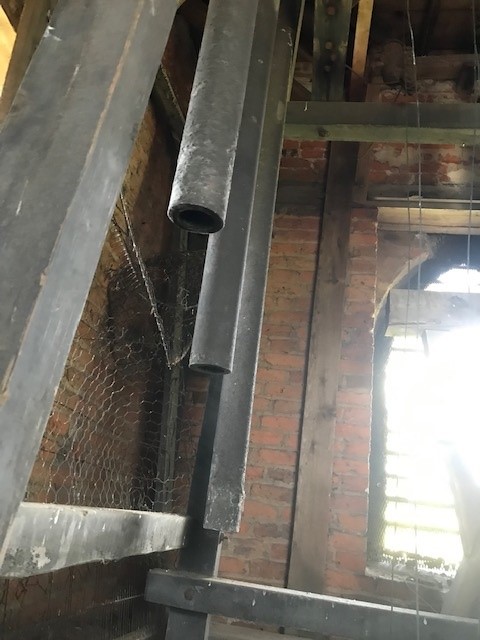
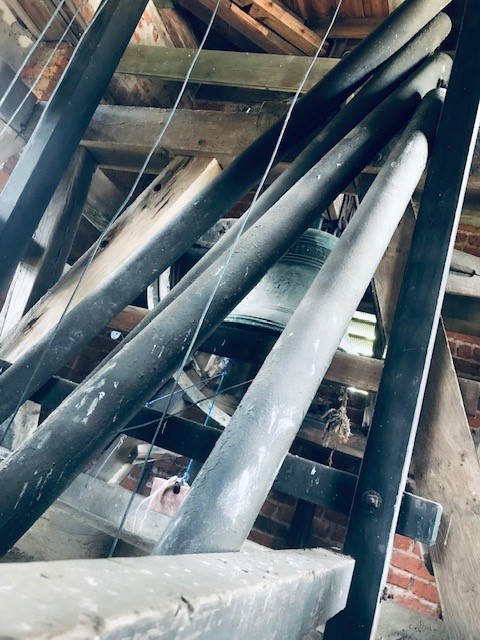
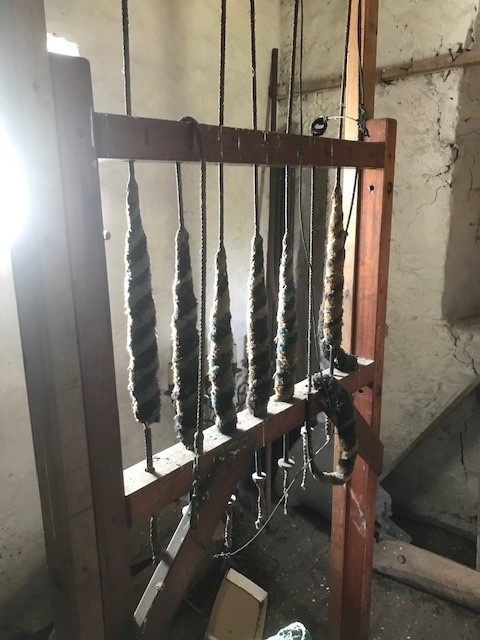
Tubular were popular between about 1890 and 1920. Most were made by the Coventry based firm of Harrisons. They were much cheaper than bell metal bells and were especially suitable for “towers” where space was at a premium.
More information can be found at https://warksbells.co.uk/harrington/
Durham
The following churches have, or had, a set of tubular bells
| Castle Eden, St James the Apostle, 8 Tubes
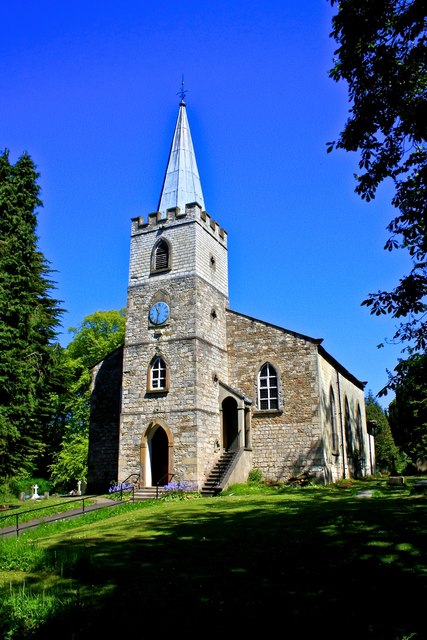
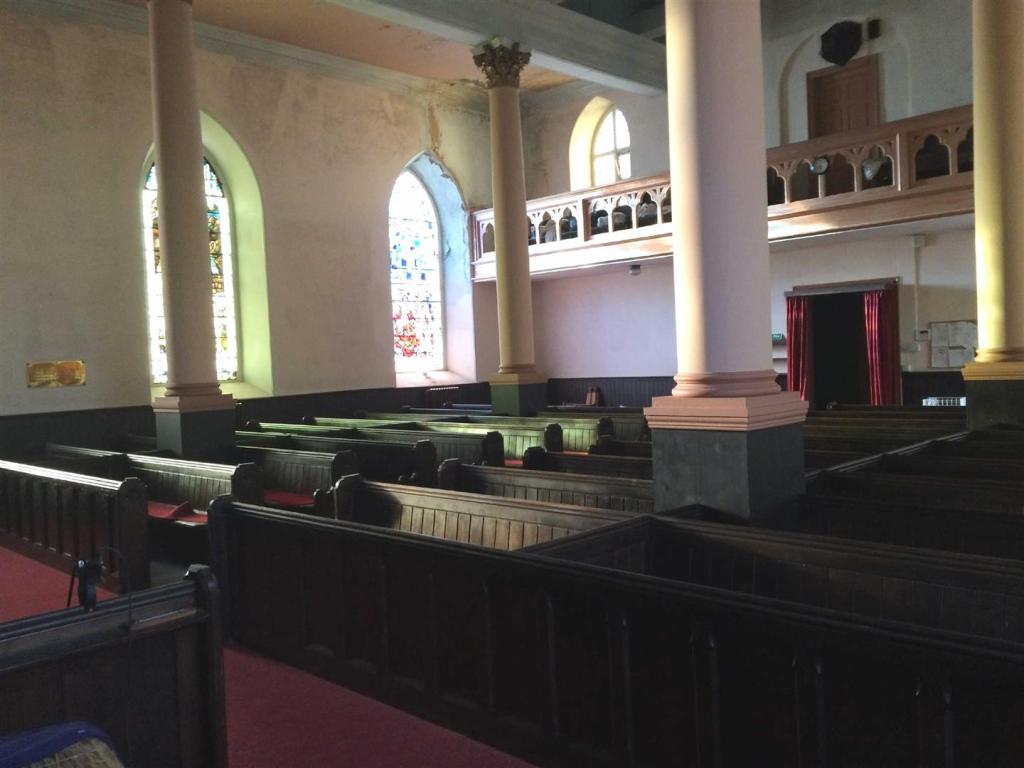
Church is dated 1764 and incorporating medieval masonry in west end and tower; aisles added c.1800; chancel rebuilt and organ chamber added in 1896. Tubes are from 1919 and are by Harrington, Latham & Co. There is also a single “”conventional” bell. There were formally two bells here, a 22¼” 1766 c2¼ cwt bell by John Lee (Newcastle founder) and a 20” 14/15th century bell, weighing 1-2-9, by an unknown founder. Half the two bell frame and one bell was removed to install the chime. The Lee bell can be seen in one of the photographs below. The Medieval bell is on the floor of the clock chamber. UK National Inventory of War Memorials records plaque “THESE BELLS ARE PLACED IN THIS CHURCH BY ROWLAND BURDON AND MARY ARUNDELL BURDON” and dedicated date November 1919
The Interior of the Church – from the Sales Brochure. The church has been recently closed and has been sold. Planning Permission is in place for conversion to a 4-Bedroom House.
The lengths and diameters of the tubes are: |
 |
||||||
| Dawdon, (Seaham) SS. Hild(a) and Helen 5 Tubes
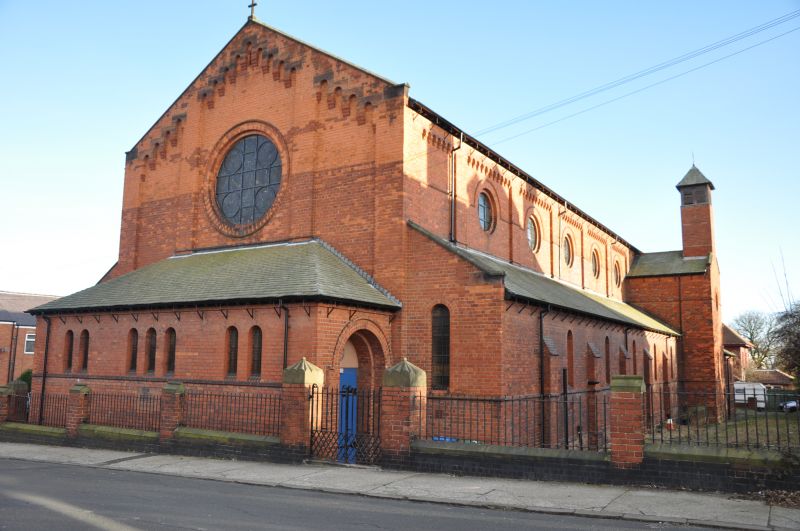
A large parish church built in 1912 by W.H. Wood. Orange-red industrial brick, moderate-pitch green slate roofs. Basilican plan with altar orientated towards south; aisled nave, narthex, Lady Chapel to ritual north of altar and Choir and Vicar’s vestries to south. Italian Romanesque style with round-arched openings and Lombard frieze below eaves and gables of nave. 5 tubes installed in 1912, but not thought to be extant |
 |
||||||
| Durham, St Cuthbert 8 Tubes
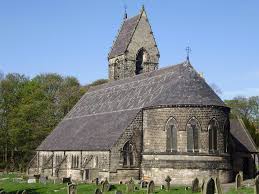
This is the Church of England church on Old Elvet, and should not be confused with the city’s R.C. church of the same name. The church was completed in 1863 and the architect was Durham-born Edward Robert Robson (1836-1917). This was his first church design and shows interesting French influence, built of pale sandstone with grey slates, laid in diaper pattern over the south facing roof. Pevsner describes it as “Extremely odd”. The church interior has a stunningly spacious nave. Ten magnificent stained-glass windows commemorating the patron saints of other city churches decorate the semi-circular apse and were donated in memory of William Lloyd Wharton (1789-1867), creator of neighbouring Wharton Park. The church was restored between 1911 and 1925 and the north aisle extended in 1990. There are 8 tubes here, by Harrington, Latham & Co, Coventry; 1902. They are believed still to be chimed for services. “Yesterday morning, at St. Cuthbert’s Church, Durham, the peal of eight tubular bells which has been presented to the church Mr J. F. Bell, of North End, Durham, in memory of his wife, was formally dedicated by the Ven. Archdeacon of Durham in the presence of a large congregation. (Sunderland Daily Echo and Shipping Gazette, Monday 28 April 1902); Parish meeting to consider proposal to apply for a faculty for the tubular bells (Durham County Advertiser, 28 February 1902)” |
 |
||||||
| Egglescliffe St John the Baptist 8 Tubes
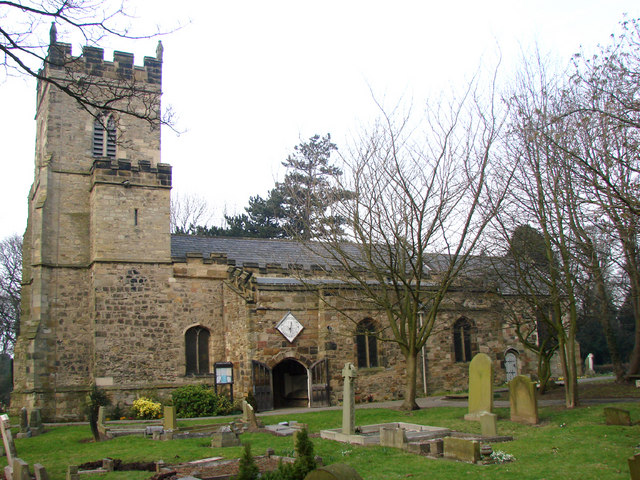
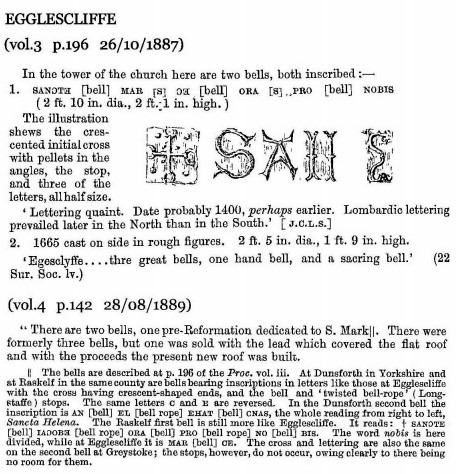
The church stands prominent above the River Tees overlooking Yarm. This is one of the few “Perpendicular” churches in the county, despite having a late 11th/ early12th century core. The nave is Norman and the chancel mid-15th century. The medieval building has a largely 17th century interior, complemented by modern woodwork by Colin Wilbourn in the Aislaby aisle. There are 8 tubes, the “Tenor Tube” being 105″ long, were installed in 1897 to mark Queen Victoria’s Diamond Jubilee. They must have been overhauled in 1964 as Taylors Daybook notes, “Wm. Potts & Sons, Leeds. Egglescliffe church. Ellacombe chime manual for 8 bells £55.0.0., eight rubber grips £1, sixteen chime pulleys £12, [Total] £68.0.0. Collected by their van.” At the same time, Taylors refurbished the two conventional bells in the tower. These were not removed, as stated elsewhere*, when the chime was installed – “1. 30¾” 4-2-9, 2. 35” 7-0-5 (total 11-2-14); Rehanging two bells, Taking down £36, rehanging in old frame £45, truck £40, curt out staples £12, Fittings for swing chiming £96, ropes £10, total £239.” *…contains a peal of eight tubular bells, hung in 1897 in commemoration of Queen Victoria’s Diamond Jubilee. These replace two bells dated 1400 and 1665, the former of which was inscribed “Sancte Maree, Ora Pro Nobis” (Leeds Mercury, 9 September 1905); The Newcastle Society of Antiquities reported on the two existing bells in 1887:
Tube lengths are 1. 70.25″ 2. 71.00″ 3. 76.00″ 4. 81.8″ 5. 86.75″ 6. 88.75″ 7. 94.75″ 8. 105.00″ An article about this church can be found on the Fabulous North website |
 |
||||||
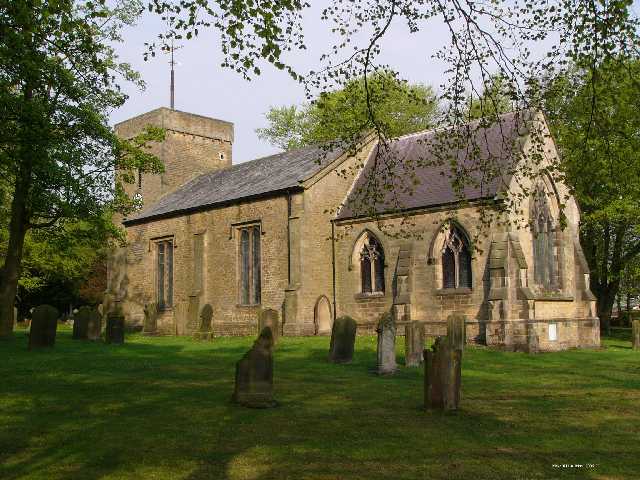
| Etherley, St Cuthbert 8 Tubes
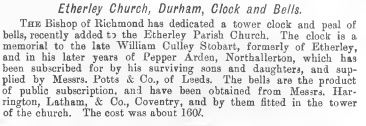
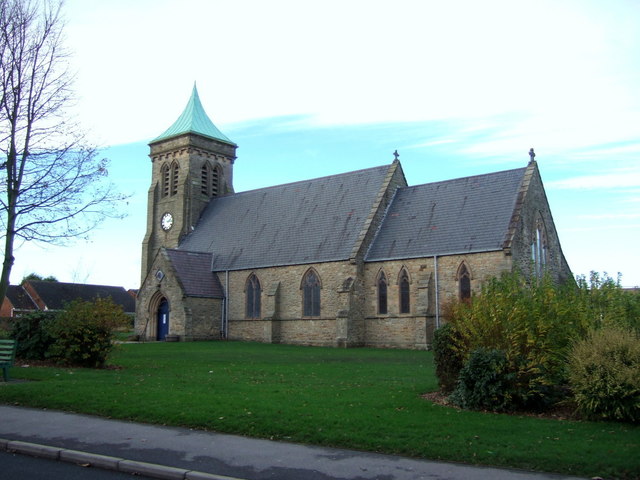
Also known as “High Etherley”. St. Cuthbert’s “Anglican” church was built by William Ramshaw in 1832 under the patronage of the Bishop of Durham, William Van Mildert, costing “a meagre £700! When opened, on 20th May 1832, it had seating for about 350 people. It was later restored in 1867 by J Ross of Darlington who rebuilt the chancel and vestry. The gallery was removed in 1886 and the church was further restored in 1901, when the tubes were added. There are 8 tubes. From “Church Bells”, September 13th 1901:
A clock was installed at the same time. The treble tube is 58″ long and the tenor 87″. The 2023 Quinquennial Inspection report of 2023 states the the tubes have “recently been overhauled by C & M Bell Maintenance of North Shields.” There is one conventional bell in the tower in addition to the chime. It was cast in 1822 by Robert Watson of Newcastle, with a diameter of 19.75″ and weighing c.2cwt. |
 |
||||||
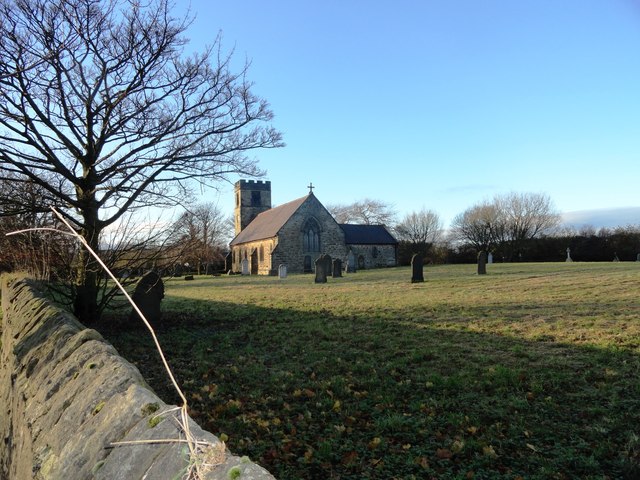
| Holmside, (Burnhope) St John the Evangelist 8 Tubes
Holmside is part of Burnhope and the church is often found under this name online. St. John’s Church was built c.1865. The church contains a number of items dedicated as war memorials connected with various conflicts. In the aftermath of WWI the tower, clock and peal of bells were dedicated as a war memorial with an associated plaque that was unveiled in 1923 . 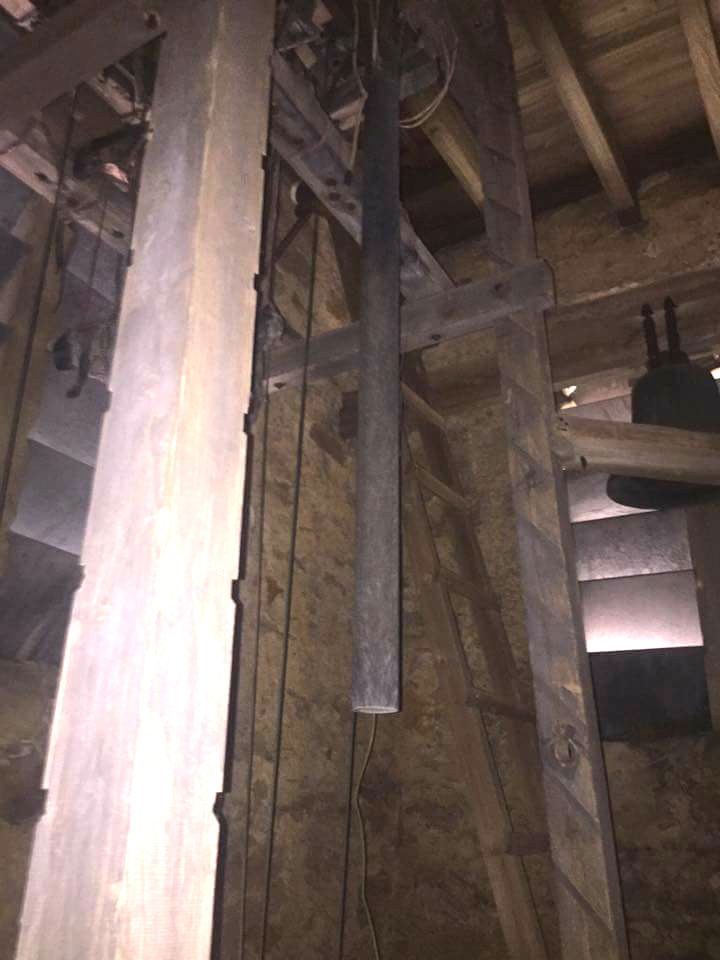 The tubes themselves were made in 1920 by Harrington, Holland & Co. |
 |
||||||
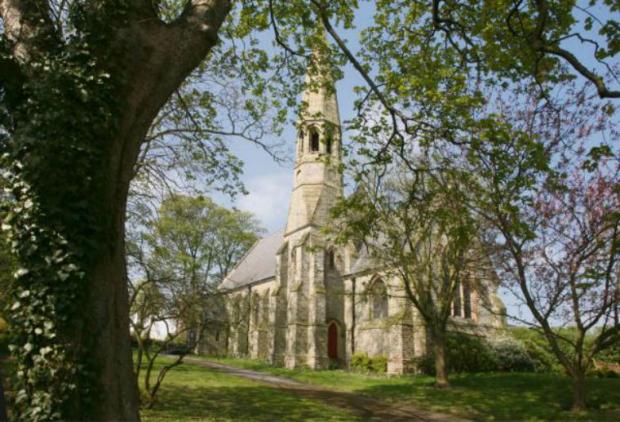
| Middleton St George, St George 8 Tubes
The church is located in Low Middleton and is the parish church for Middleton St George, following the closure of St Laurence’s church in 2012. The church consists of a chancel with north vestry, nave, south porch, and small west tower. There are parts of it from the 13th century, but much has been changed/added since this time, including the tower, added in 1888. The tubes are by Harrington, Latham & Co, of Coventry |
 |
||||||
| Spennymoor, St Paul 8 Tubes – tenor tube 106″ + 2 bells 1. 1895 John Warner & Sons 2. 1857 Naylor, Vickers & Co
The church, by J. A. Cory has stood on Whitworth Terrace since its consecration in 1858. In 1880, the north aisle (the present Lady Chapel) was added and in 1890 the tower. A clock for the tower was added in 1898 and the following year tenants of the Shafto estates, together with parishioners donated the chimes. Eight tubular bells were placed in the tower, which were used and repaired until the 1960s when they became unsafe. “St. Paul’s Church, Spennymoor. – We understand that the whole sum of £890, being the cost of the recently erected memorial tower to the late Robert Duncombe Shafto, and the eight tubular bells, has been realised by the liberality of the parishioners and the numerous friends of Mrs D. Shafto, of South Kensington and Whitworth Park.” (Durham County Advertiser, 4 January 1895) The tubes are recorded in the 1st edition of Dove, but not in 3rd edition. They were present in August 1978 when viewed by George Elphick. A recent Quinquennial Inspection Report, from July 2022, shows that the tubes are still in situ, but not able to be chimed. There was a major fire in the church in 1953, an arson attack, and the church had to be rebuilt in 1954-6, at a cost of £26,000. Designed by S. E Dykes, it is almost exactly as it was before the fire. |
|
||||||
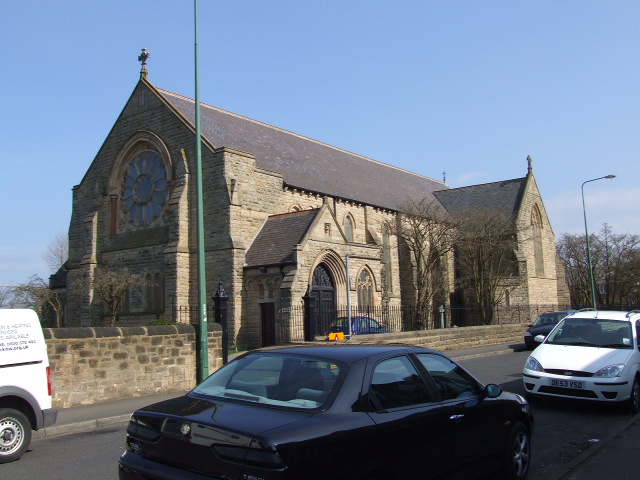
| Stanley, St Joseph 8 Tubes – Lost?
A large Gothic Revival church by Charles Walker of Newcastle, set within an earlier burial ground. The Towneley family gave the land and donated several furnishings. Subsidence problems due to underground mining works prevented the later addition of a tower. The interior is decorated with high-quality carved woodwork and several stained glass windows by Mayer & Co of Munich. In the burial ground is a communal grave for thirty eight victims of the Burns Pit Disaster of 1909. The church was opened on 19 June 1902 From: https://taking-stock.org.uk/building/stanley-st-joseph/ “The small spire over the chancel arch …. was built and is visible in a photo of 1929. This may be identical with the turret said to have been over the baptistery where a peal of tubular bells was installed in 1908 and which was removed in 1931.” It therefore seems most likely that the tubes were removed – can you confirm this? |
 |
||||||
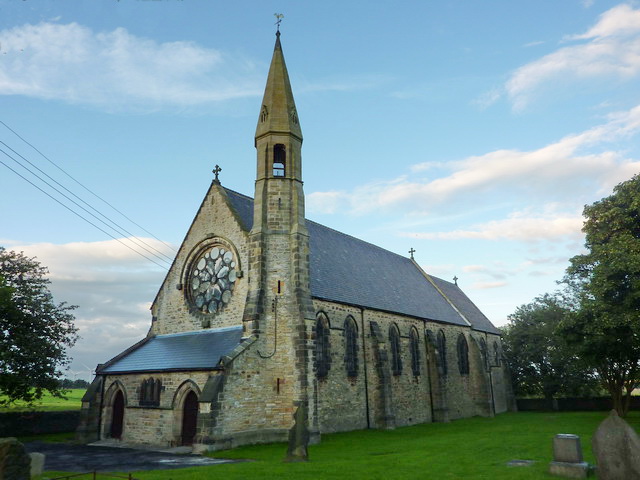
| Tow Law, SS Philip & James 5 Tubes
Built 1867-1869 by C. Hodgson Fowler from roughly-squared coursed sandstone with ashlar dressings; Welsh slate roof with stone gable copings; stone spire. There is a Nave with west porch and south-west tower; chancel with north vestry. Decorated style. The tower has buttresses on alternate sides, with slit windows to stair and shouldered-arched belfry openings, under octagonal spire with lucarnes. The spire and tubular bells were added in 1902 by Harrington, Latham & Co. of Coventry. The tubes were restored in 1967. |
 |
||||||
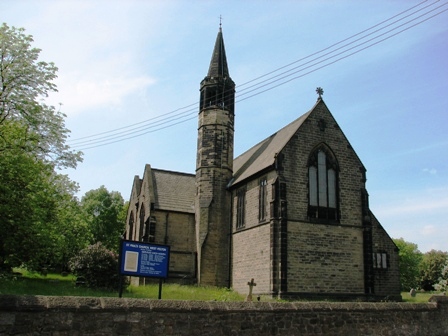
| West Pelton, Holy Trinity 8 Tubes
The church was built in 1879 by Austin, Johnson and Hicks of Newcastle for patrons John and Edward Joicey. It is built from dressed sandstone and graduated green slate roofs. There are continuous, aisleless, nave and chancel; north and south transepts; south porch on nave; 2 north vestries on chancel; extruded bell tower with spire between chancel and south transept. It is in the “Austere Perpendicular” style The tubes were installed in 1893, by Harrington, Latham & Co. of Coventry. Treble is 69.25″ and the tenor 105.75″. The cost was about £200There is one other “conventional” bell: c.4cwt diameter 26.13″ which was cast in 1879 by John Warner & Sons. |
 |
Tyne and Wear
| Gateshead (Durham Road) St George 8 Tubes
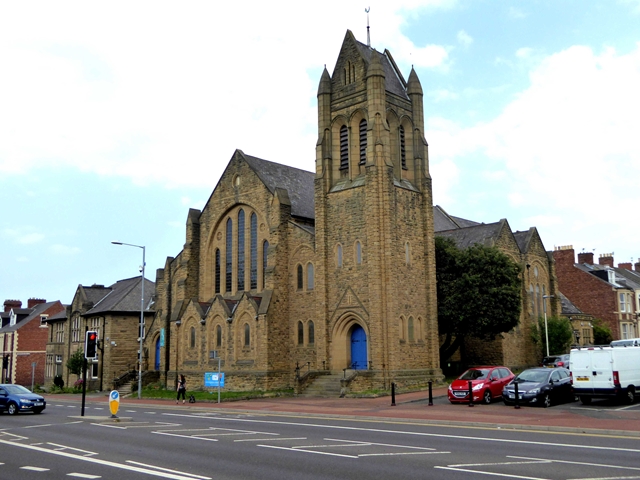
The church, on the corner of Durham Road and Inskip Terrace, was built 1895-7, with a peal of 8 tubular bells presented in c.1896 by the late Edward Eccles Esq. The architect was Stephen Piper. It is built of rusticated snecked The church was “planted” by a group of worshipers from Holy Trinity, Brompton in 2016. |
 |
| Long Benton, St Bartholomew 8 Tubes
The church now consists of … and a western tower, with pinnacles and spire, containing 8 tubular bells, dedicated Nov. 1st 1891, by the Bishop of Newcastle, having been provided by the subscriptions of parishioners and friends to celebrate the centenary of the present building (consecrated in 1791, by Bishop Hinchliffe of Peterborough) (Kelly’s Directory 1894); The Centenary of Long Benton Parish Church – The special services in celebration of the centenary of the consecration of Long Benton Perish Church were commenced yesterday. … The Bishop of Newcastle preached in the evening, and also dedicated the tubular bells, which have been added to the church as a memorial of the centenary. There was very large congregation. The Service was conducted by the Vicar, the Rev. E.S. Grover, and the Rev. C.H, Gulliver, curate, read the lessons. At the conclusion of the sermon the Bishop dedicated the bells, which form an octave, and have a pleasing sound. They have been supplied and fixed by Messrs. Errington and Co. (sic – recte Harrington), of Coventry. The cost has been £180, which has been already raised. (Newcastle Evening Chronicle, 2 November 1891) These tubes do not appear in the editions of Dove that listed tubular chimes. Tube lengths 1. 62”, 2. 64”, 3. 69⅜”, 4. 75⅜”, 5. 5”, 6. 89½”, 7. 98”, 8. 108¾”. Thicknesses, 1. 2⅞”, 2. 2¾”, 3 to 5. 3”, 6. 3⅜”, 7. 3¾” and 8. 4”. In recent years the original chime rack has been replaced locally. |
|
| Newcastle (Scotswood) St Margaret 8 Tubes
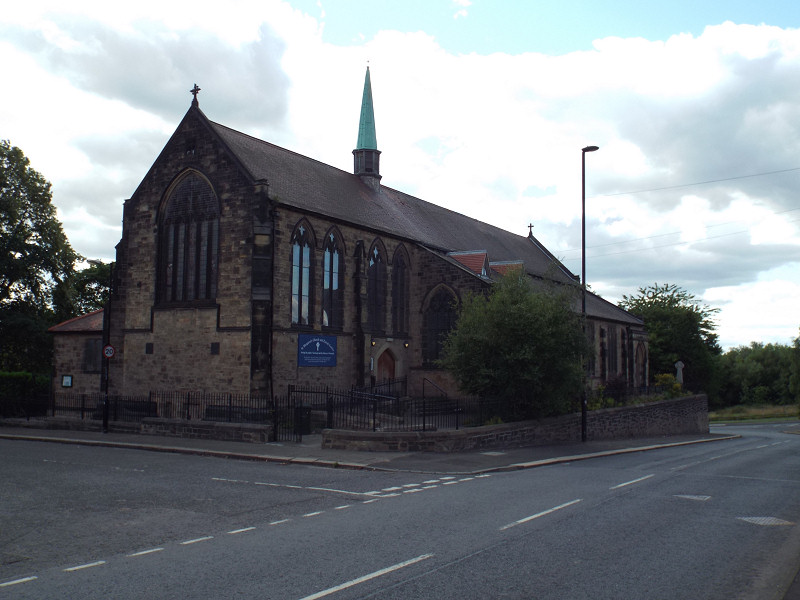
The church was consecrated on 28th July 1917 by the Bishop of Newcastle. Parish had been created in the 1880s. It is situated on corner of Armstrong Road and Denton Road. Its predecessor had been an iron church built in 1895. The area was a hive of activity at around the time that the church would have been built, with much heavy industry taking place in this area. The tubes were installed in 1921, fairly late in timescale for Harrisons. They were installed as a war memorial and were dedicated on 25th March 1921. They were certainly still present when viewed by George Elphick in 1977. |
 |
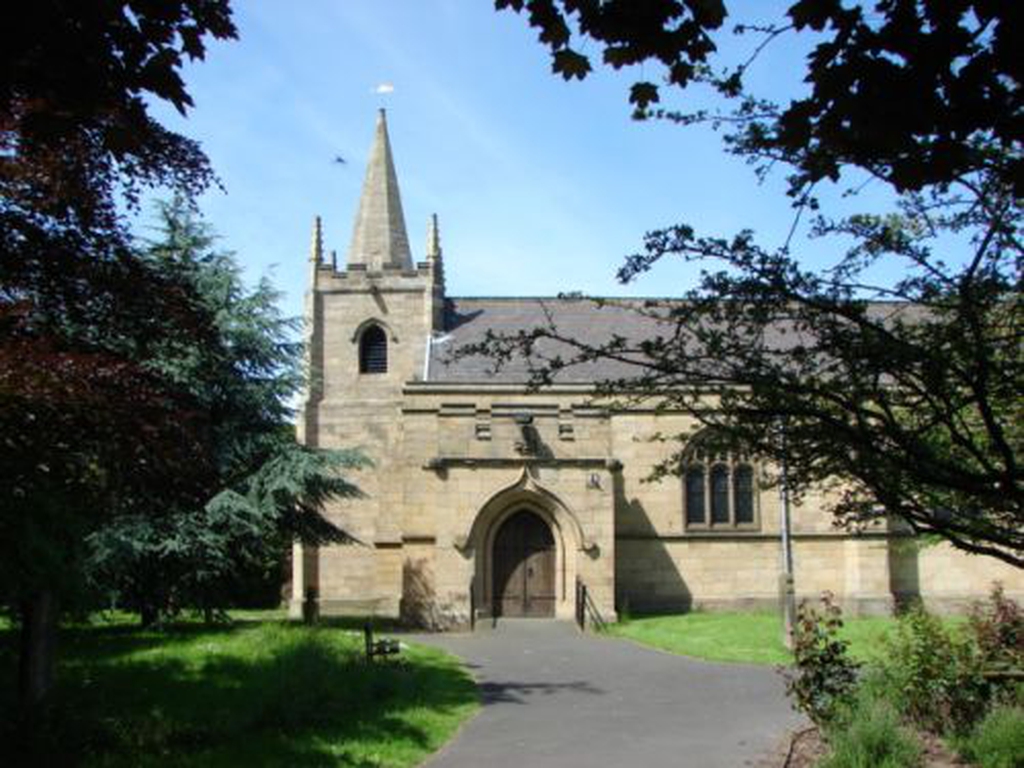
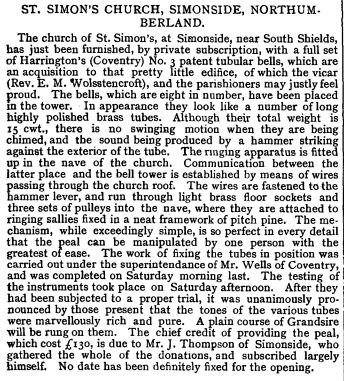
| Simonside St Simon 8 Tubes
The Parish of St. Simon, Simonside was formed in 1875. The parish was disolved on 31st December 2018 and a new Parish. The Parish of Jarrow and Simonside was created on 1 January 2019, this included the churches of St John’s Perth Green, St Peter’s Jarrow and St Paul’s Jarrow. The church itself was built in the style of late gothic and cost £3,000. It was consecrated by Dr Lightfoot, Lord Bishop of Durham on Tuesday 20th July 1880 at 11am. The tubes did not appear in any edition of Dove and I do not know if they still exist. Bell News 24/9/1892 reports:
|
|
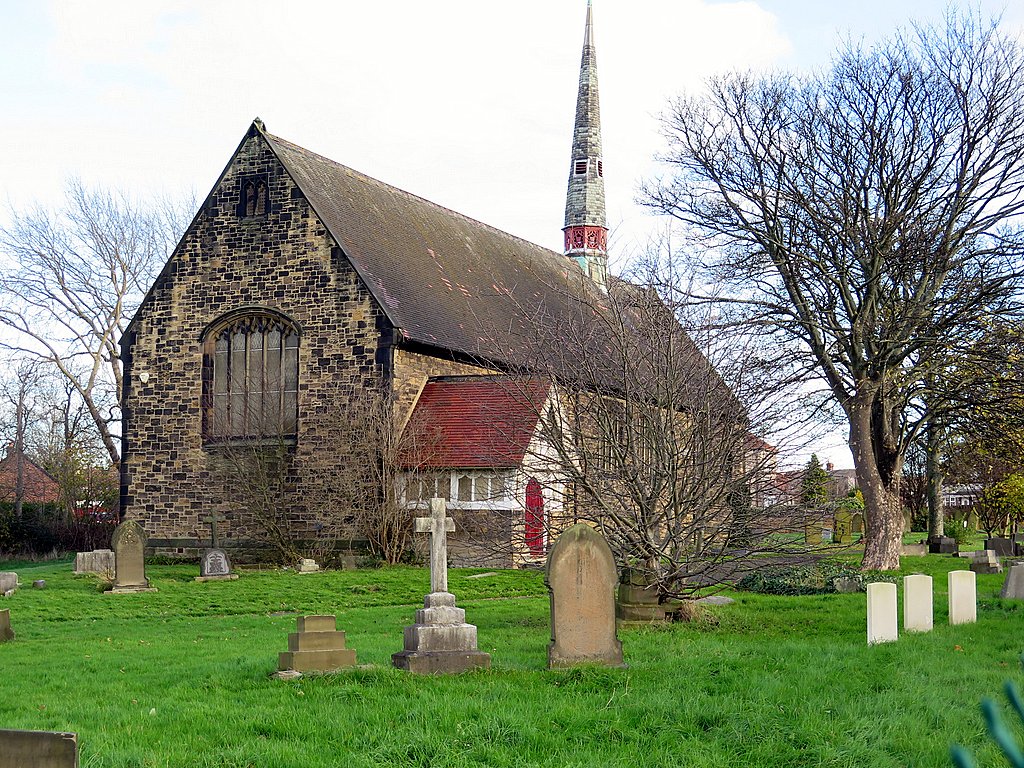
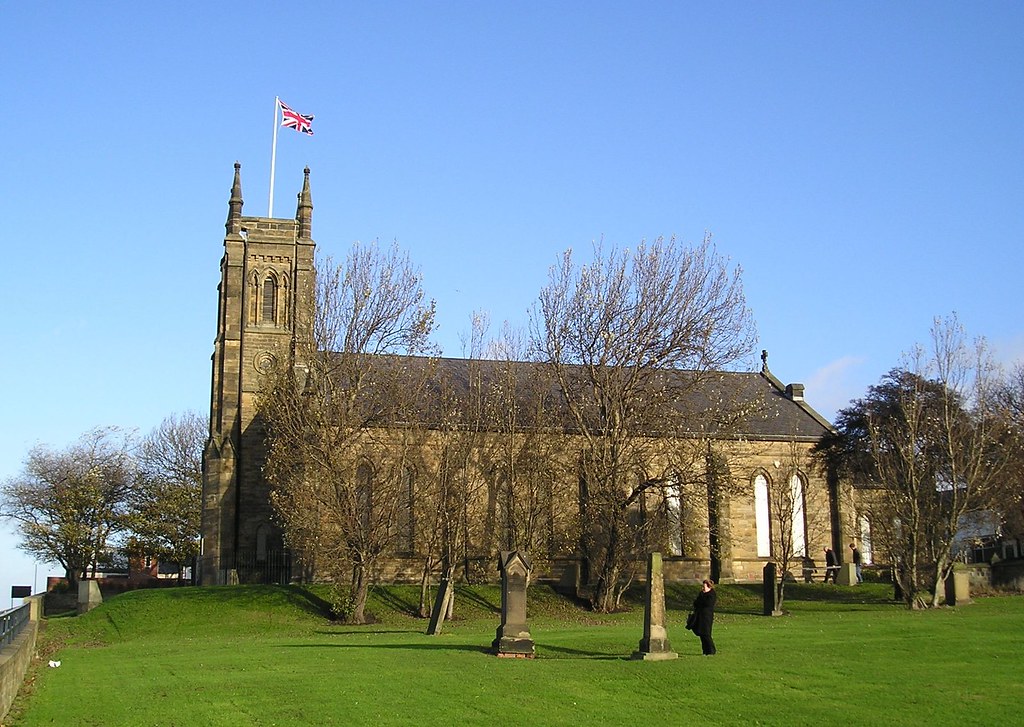
| Sunderland Holy Trinity, Southwick 8 Tubes
The church was built, in 1842 by George L Jackson, from coursed squared sandstone with ashlar dressings and Welsh slate roof. There is a Nave with west tower, chancel with north vestry. It was built in the “Early English” style, with lancets and clasping buttresses. There is a 4-bay nave with narrow chancel. The Chancel has 3 south lights; stepped east lights with cinquefoils in spandrels. The tower has buttresses, reducing to angle buttresses on upper stages. Source: https://historicengland.org.uk/listing/the-list/list-entry/1207066 |
|
| “Hopes of installing tubular bells for the 50th anniversary of the church” (Sunderland Daily Echo and Shipping Gazette, Saturday 16 December 1893); The bells were cast by Harrington, Latham & Co, of Coventry in 1894, and reported thus:Jubilee celebrated in December. Various gifts including … “A very pleasing and useful addition to the church takes the form of peal (eight) of Harrington’s tubular balls, which are both powerful and musical. These were the gift of Mr Priestman, of Southwick. The money required for the carrying out of the work will not be less than £600. By means of donations, &c., this has been practically raised, but it is not unlikely that when the accounts are made up there will be a balance still to provide for. The dedication of the reredos, communion table, lectern, the stained glass window, and the bells, &c, will take place on Friday evening at seven o’clock, when Rev. Bishop Hornby will conduct the service. (Sunderland Daily Echo and Shipping Gazette, Saturday 10 January 1895) The Quinquennial Report of 6th May 2026, by David Jowett, Architect, notes that the tubes are seldom used and are in need of maintenance. 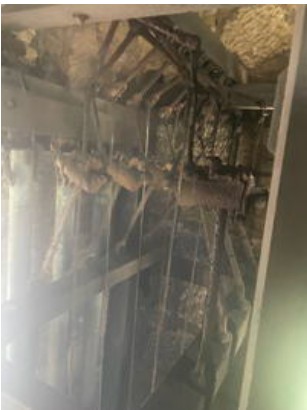 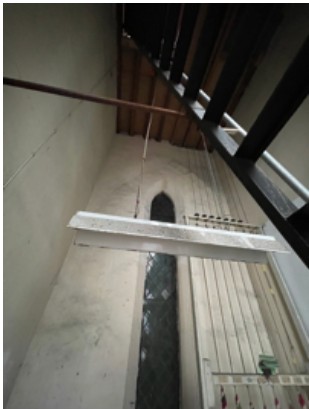 (©David Jowett – Architect) |
|
Northumberland
I am not aware of any chimes of tubular bells that are located in Northumberland. Please let me know if you have information that points to any that exist in the county.